No Studio, No Problem: The Solo Creators Beating Hollywood at Its Own Game
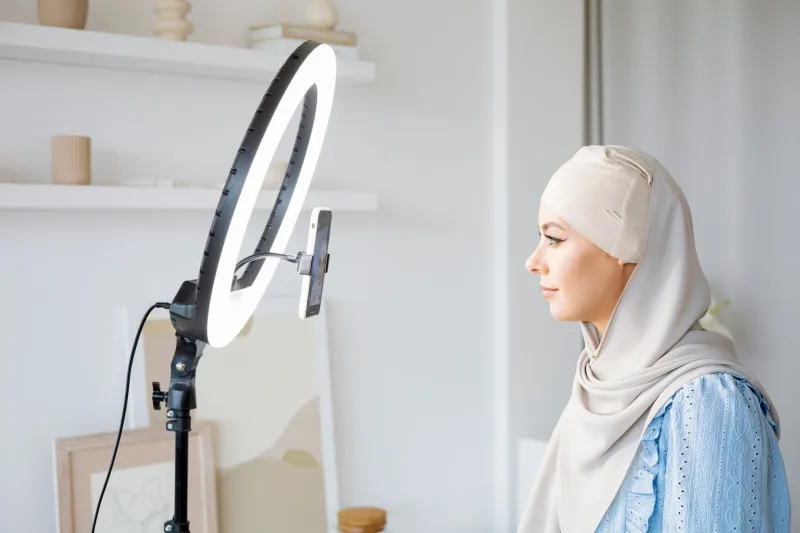
Let's set the scene. A 26-year-old in a one-bedroom apartment in Columbus, Ohio. A mirrorless camera she bought used on eBay. A $12-a-month editing software subscription and a ring light she got on sale at Best Buy. That's the entire production budget for a channel that now pulls in more monthly viewers than most cable television shows.
This isn't a feel-good exception. It's becoming the rule.
Across the country — in spare bedrooms, converted garages, and home offices — independent video creators are quietly dismantling the idea that you need a studio deal, a network budget, or a team of 50 to build a real audience. And the entertainment industry, for all its resources, is still trying to figure out how to respond.
The Gear Gap Is Basically Gone
For most of the 20th century, professional video production was gated by hardware. Cameras cost tens of thousands of dollars. Editing required specialized suites. Distribution demanded a network or a distributor. The barrier to entry wasn't talent — it was capital.
That wall came down gradually, then all at once.
Today's smartphones shoot in 4K. A capable mirrorless camera body runs $600 to $900 used. Editing software like DaVinci Resolve has a full professional version that costs exactly zero dollars. Color grading, motion graphics, audio mixing — tools that once required a dedicated department are now accessible to anyone willing to spend a few weekends learning them.
The result is a generation of creators who grew up watching polished content and taught themselves to make it. The production quality ceiling for a solo creator in 2024 is genuinely astonishing compared to even a decade ago. We've featured creators on Loupan Videos whose work is technically indistinguishable from mid-budget network productions — shot in a living room.
Audience Over Algorithm
Here's where independent creators often have a structural advantage that's easy to overlook: they actually know their audience.
A major studio producing a prestige drama is, in many ways, shooting at a demographic profile. Age range, income bracket, viewing habits — all of it abstracted into data points and focus groups. The feedback loop is slow and expensive.
An independent creator making weekly videos about van life, vintage watch collecting, or competitive barbecue has a direct line to the people watching. They read the comments. They respond to DMs. They run polls. They adjust in real time. When something doesn't land, they know by Thursday and they've already pivoted by the following Monday.
That agility is worth more than most people realize. It's how small channels build fierce loyalty — the kind where viewers actually show up for a premiere, share videos without being asked, and buy merchandise just to support a creator they feel genuinely connected to.
The Business Model Shift Nobody's Talking About Enough
Ad revenue from video platforms is real, but it's never been the whole story for the creators who are actually making a living. The smart ones have diversified in ways that would make a traditional media executive's head spin.
A single mid-size independent creator might be pulling income from:
- Platform ad revenue — the baseline, often unpredictable
- Direct memberships — Patreon, channel memberships, or platform-specific subscription tiers
- Digital products — presets, templates, e-books, mini-courses
- Brand partnerships — often negotiated directly, cutting out agencies entirely
- Live events and meetups — surprisingly powerful for tight-knit communities
- Licensing — footage, music, or original content sold to other creators or media companies
The upshot is that a creator with 150,000 engaged subscribers can generate more stable annual income than someone with 2 million passive followers monetizing purely through ads. Depth beats breadth, and independent creators figured that out before most media companies even acknowledged it was a metric worth tracking.
Small Teams, Big Output
Not every independent success story is a solo operation. Some of the most compelling content being made right now comes from micro-teams — two, three, maybe five people who've combined complementary skills and split the overhead.
Think about the model: one person handles production and direction, another manages editing and post, a third runs community and business development. Together they can produce at a pace and quality level that punches well above their weight class. No HR department. No development meetings that last three hours and produce nothing. Just people who want to make good stuff, moving fast.
We've worked with several of these micro-teams here at Loupan Videos, and the creative energy is genuinely different. Decisions get made in a Slack thread. A concept goes from idea to published in a week. When something works, everyone feels it immediately.
What Big Studios Are Actually Doing About It
The honest answer? A mix of acquisition, imitation, and denial.
Some studios and networks have started signing independent creators to development deals — essentially buying their audience relationships and hoping the magic transfers to a bigger platform. Results have been mixed. The same authenticity that built a creator's following doesn't always survive the transition to a writers' room and a network standards department.
Others have launched their own creator programs, trying to incubate in-house talent that feels independent without actually being independent. Viewers tend to see through it pretty quickly.
The creators who are genuinely winning, though? They're mostly not interested in being acquired. They've built something that pays them well, gives them creative control, and connects them directly to an audience that actually cares. That's a package that's hard to top, even with a studio logo attached.
The Takeaway
The democratization of video production isn't just a tech story. It's a power story. The tools exist. The distribution channels exist. The audiences exist and are actively looking for content that feels real and specific and made by someone who gives a damn.
You don't need Hollywood's permission anymore. You never really did — but now you definitely don't need their budget either.