Five Minutes to Fluent: How Bite-Sized Video Lessons Are Quietly Killing the Online Course
There's a good chance you've got at least one unfinished online course haunting your browser history. Maybe it's that Python bootcamp you bought during a New Year's resolution surge. Maybe it's the graphic design series you swore you'd finish before summer. You're not alone — and honestly, you're not lazy either. The format just wasn't built for the way most of us actually live.
Enter micro-learning: the art of teaching something genuinely useful in five minutes or less. It's been quietly reshaping professional development, hobby skill-building, and everyday education across the country — and video is the engine driving all of it.
The Attention Economy Has New Rules
Here's the uncomfortable truth about traditional online courses: completion rates hover somewhere between 5% and 15% on most major platforms. People sign up with the best intentions, burn through the first couple of modules, and then life happens. Work gets busy. Kids need dinner. The couch is right there.
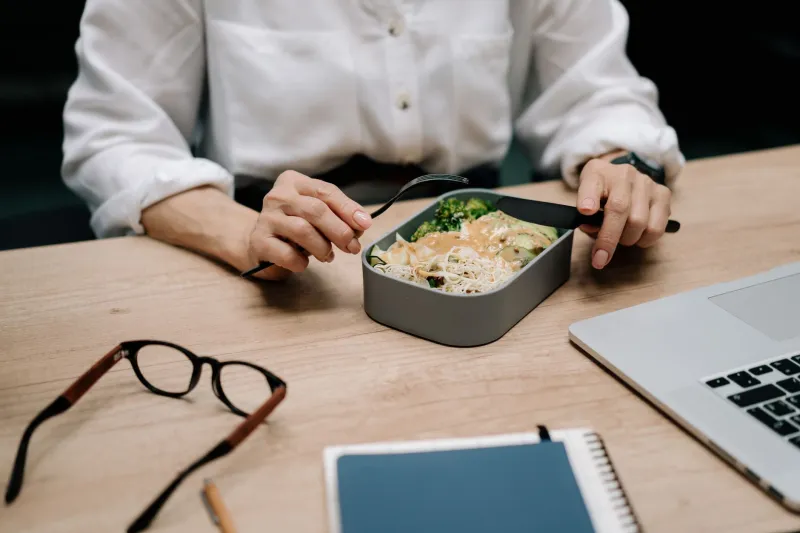
Micro-learning flips the equation entirely. Instead of carving out a two-hour block on a Tuesday night, you're watching a focused three-minute tutorial on how to use Excel's VLOOKUP function during your lunch break. You learn one thing. You use it that afternoon. The loop closes fast, and your brain gets a little hit of satisfaction.
Dr. Art Kohn, a cognitive neuroscientist who has consulted on corporate learning programs, has argued for years that the human brain can only hold a limited amount of new information before it starts dropping the ball. Short, targeted lessons work with that limitation rather than against it. When a video tutorial zeroes in on a single concept, retention goes up — sometimes dramatically.
Why Video Specifically?
Text-based micro-learning exists, sure. But video has a few unfair advantages. It can show you exactly what to do, not just describe it. A written recipe tells you to "fold in the egg whites gently." A 90-second video clip shows you the exact wrist motion, the bowl angle, the texture you're looking for. That visual and auditory combination accelerates comprehension in a way that's hard to replicate on a page.
Platforms like ours at Loupan Videos have been leaning into this reality hard. Short-form tutorial content — everything from quick coding walkthroughs to beginner knife skills in the kitchen — consistently outperforms longer-format equivalents in terms of watch completion and return viewership. People finish what they start when the finish line is five minutes away.
There's also the rewatch factor. A focused tutorial on, say, setting up a WordPress theme is something a viewer might return to three or four times while actually working through the task. That kind of practical, reference-style content creates a different relationship between creator and audience — more tool than entertainment, but deeply valuable.
From the Classroom to the Cubicle
Corporate America has caught on in a big way. Companies like Google, IBM, and a growing list of mid-size firms have been shifting their internal training programs toward micro-learning modules, often delivered through video. The logic is straightforward: employees learn faster, retain more, and can apply knowledge immediately rather than waiting until they've completed a full course arc.
For independent professionals and freelancers, the impact is even more pronounced. A freelance video editor in Austin can spend 20 minutes across four targeted tutorials and come away with a working knowledge of color grading in DaVinci Resolve. Six months ago, that same person might have paid $200 for a course they'd never finish.
Industries that have seen some of the biggest micro-learning adoption include:
- Software development — quick tutorials on specific functions, libraries, and debugging techniques
- Culinary arts — technique-focused clips that home cooks can reference mid-recipe
- Fitness and wellness — form correction videos, quick mobility routines, breathwork guides
- Finance and investing — plain-language explainers on topics like ETFs, tax-loss harvesting, and budgeting methods
- Creative skills — illustration, photography, music production, and design, broken down move by move
The Creator Side of the Equation
For video creators, micro-learning content is an interesting opportunity. It rewards clarity above almost everything else. You can't hide behind production value or a charismatic personality if your explanation is muddled. The format demands that you actually know your stuff and can communicate it without padding.
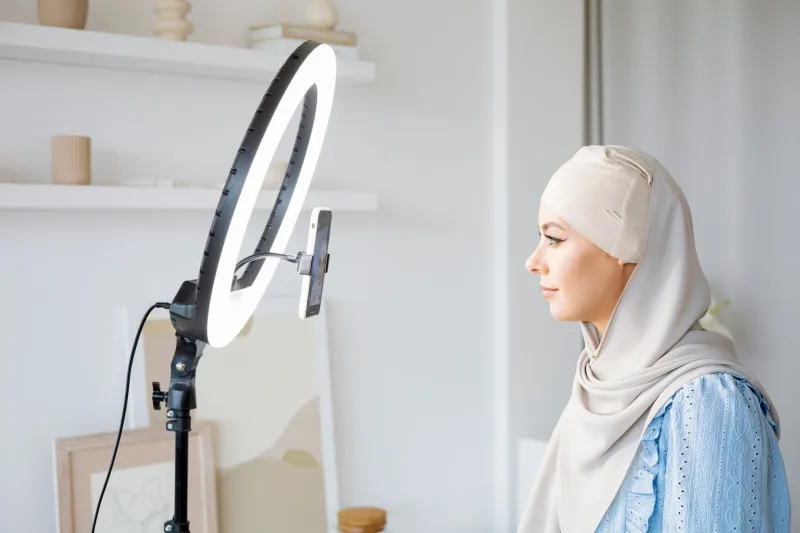
That's led to a new kind of educator-creator hybrid that's thriving right now. These aren't polished professors or corporate trainers. They're working professionals, hobbyists, and enthusiasts who happen to be great at breaking things down. A sous chef filming quick technique videos on a phone mount. A self-taught developer walking through a coding problem she solved that morning. Authenticity and expertise, packaged tight.
At Loupan Videos, we've seen this category grow faster than almost any other type of content on the platform. Viewers come for the answer to a specific question and often stick around to explore related topics — which is exactly how good learning is supposed to work.
So Is the Long-Form Course Dead?
Not quite. There's still a place for structured, comprehensive courses — especially when someone needs to build deep expertise from the ground up. If you want to become a certified data analyst or learn a new language to conversational fluency, a five-minute clip isn't going to get you there alone.
But for the vast majority of everyday skill-building? For the working parent who wants to learn Lightroom, the small business owner trying to understand SEO, the hobbyist baker who wants to finally nail croissants? Micro-learning video is winning. Convincingly.
The format respects your time. It meets you where you are. And when it's done right, it actually teaches you something you'll remember tomorrow.
That's a bar a lot of 40-hour courses never managed to clear.