Watching Together, Apart: The Rise of Communal Viewing in a Lonely Content Era
For most of the last decade, the story of entertainment was about freedom. Watch what you want, when you want, on whatever screen you want. No commercials. No schedules. No waiting. The promise of on-demand everything felt like pure progress, and in a lot of ways, it was.
But somewhere in the middle of all that unlimited choice, something got lost. And people are starting to notice.
The watch party is back. Not in a nostalgic, ironic way — in a genuinely growing, culturally meaningful way. From YouTube Premieres and Twitch co-streams to Discord watch-along rooms and Netflix Party browser extensions, millions of Americans are actively choosing to watch content on someone else's schedule, with other people, in real time. And the reasons why say a lot about where entertainment is headed.
The Loneliness Problem Nobody Wants to Admit
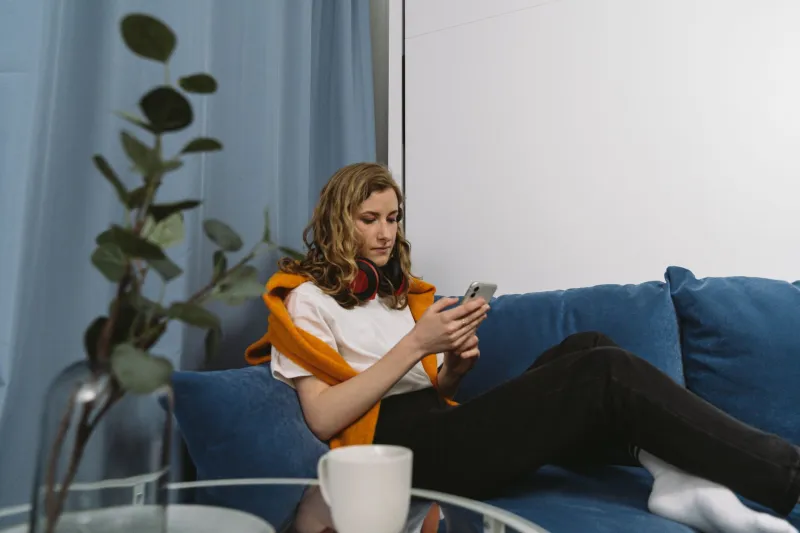
Let's start with the uncomfortable context. The U.S. Surgeon General issued a formal advisory on the loneliness epidemic in 2023, and the numbers backing it up are striking — roughly half of American adults report measurable levels of loneliness, with younger adults hit hardest. At the same time, average daily screen time has never been higher.
Those two facts existing simultaneously isn't a coincidence. Passive, solitary content consumption — doom-scrolling, binge-watching alone at midnight, putting on a video just to have noise in the background — doesn't actually connect us to anything. It fills time without filling the need.
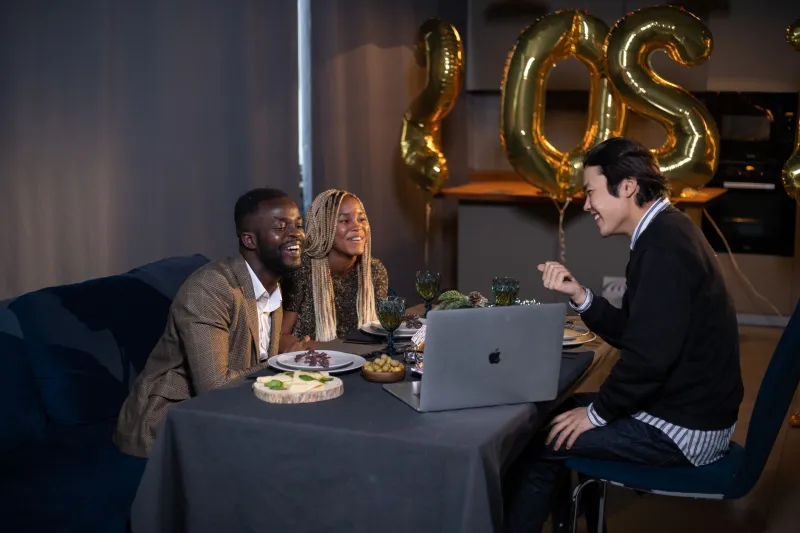
Watch party culture, in its many forms, is essentially a workaround for that problem. It takes the same content and adds a layer of shared experience that transforms watching from a solitary act into something closer to hanging out. You're still on your couch. You're still watching a screen. But you're doing it alongside people who are doing the same thing at the same moment, reacting in real time, cracking jokes, sharing the emotional beats together.
That's not a small thing. That's actually kind of what going to the movies used to be.
How Creators Are Building Around This Shift
Smart creators have been paying attention. The behavioral shift toward communal viewing isn't just a passive trend they're riding — many are actively engineering their content to support it.
YouTube Premieres, for instance, let creators release a pre-recorded video as a live event, complete with a live chat that runs during the watch. The video is the same either way, but the experience is completely different. Viewers show up at a specific time, chat with each other and the creator in real time, and leave with the feeling of having attended something — not just consumed something.
On Twitch, co-streaming has become a genre unto itself. Two or more creators watch a movie, a sporting event, or another creator's content simultaneously, with their reactions layered on top. The content becomes almost secondary to the chemistry and the shared commentary. It's Mystery Science Theater 3000 logic applied to the internet age, and it works.
Discord servers built around specific creators or content niches have developed their own watch party rituals — scheduled events, watch-along bots that sync playback, dedicated voice channels where people react out loud while watching. These aren't passive audiences. They're communities with internal culture, inside jokes, and a shared sense of belonging built around the act of watching together.
Why Scheduled Viewing Is Making a Comeback
Here's something counterintuitive: people are willingly giving up the on-demand convenience they spent years celebrating in order to watch things on a schedule.
That sounds like regression. It isn't.
The on-demand revolution was always a trade. You gained total flexibility and lost the shared experience. For a while, the flexibility felt worth it. Now, for a lot of people, the math is shifting. The ability to watch anything at any time turns out to be somewhat exhausting — the paradox of choice is real, and a blank recommendation screen can feel more paralyzing than freeing.
A scheduled watch event solves that. Someone else picks the content. Everyone shows up at the same time. The decision fatigue disappears, and what you get in return is the thing streaming platforms can't actually sell you: the feeling of being part of something.
There's also a FOMO dynamic that appointment viewing generates, and it's not entirely cynical. When a watch party is a live event, missing it means missing the conversation as it happens. You can watch the video later, but the chat is gone, the reactions are gone, the moment is gone. That scarcity — which broadcast TV had naturally and streaming destroyed — creates genuine investment in showing up.
What This Means for the Future of Entertainment
The entertainment industry is taking notes, even if it's moving slowly. Netflix's rollout of live events, including the recent live comedy specials and sports deals, is partly a bet on this same instinct. Amazon and Apple are investing in live sports rights for the same reason. The goal isn't just the content — it's the shared, time-bound experience that content creates when everyone watches it at once.
For independent creators, the opportunity here is significant and relatively untapped. A mid-sized creator with a loyal audience can run a watch party that generates more genuine engagement — more conversation, more emotional connection, more community — than a viral video that gets ten times the views but zero shared context.
The metrics don't fully capture it yet, which means a lot of platforms aren't actively building for it. But the creators who are building watch-party culture into their content strategy are consistently reporting something that's hard to quantify and easy to underestimate: their audiences feel like communities, not just subscriber counts.
The Experience Is the Point
There's a version of this trend you could write off as nostalgia — people missing the days of appointment TV and watercooler conversations, trying to recreate that in a digital context. And sure, there's some of that.
But I think what's actually happening is more interesting. People have had unlimited solo content consumption for long enough to know what it lacks. And they're actively building the missing piece themselves — not waiting for a platform to give it to them.
Watching a video is easy. Watching a video with a hundred other people who care about the same thing, at the same moment, reacting together — that's an experience. And in a content landscape drowning in options, an experience is exactly what cuts through.
The screen is the same. The couch is the same. But when someone else is on the other end, it's a completely different thing.