You Watched It. Did You Though? The Quiet Epidemic of Split-Screen Streaming
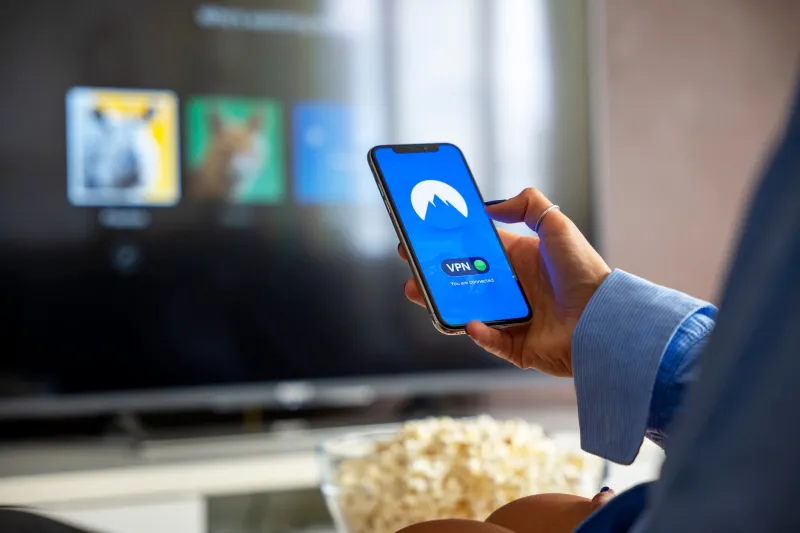
Be honest for a second. The last time you finished an episode of something — really finished it, credits rolling, remote still in hand — where was your phone?
If the answer is "in my hand, mid-scroll," you're not alone. You're also not watching TV anymore. You're doing something else, something newer and stranger, and the research coming out on it is not exactly flattering.
The Two-Screen Default
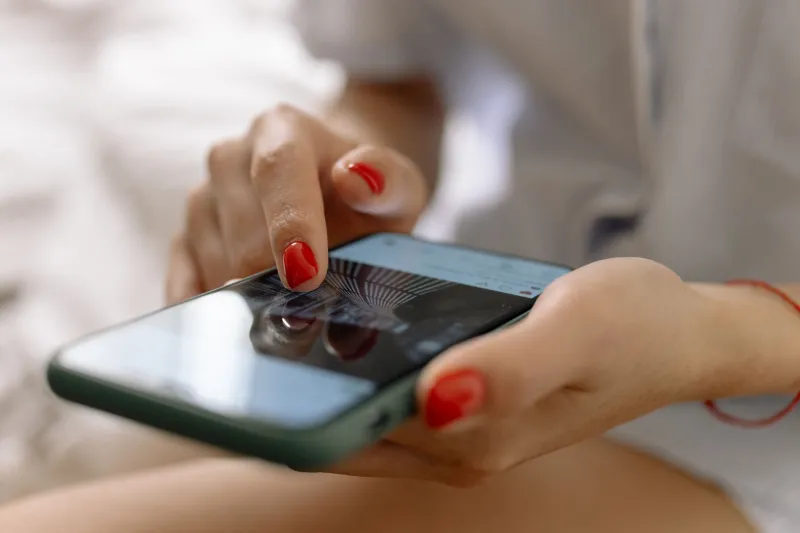
Surveys have put the number of Americans who regularly second-screen during TV at somewhere north of 80 percent. For younger viewers, it's basically universal. The show is on the big screen; the phone is in the palm. One eye for Netflix, one for Instagram, and the two streams of information braid together into something that feels like entertainment but doesn't behave like it.
Here's the uncomfortable part: your brain isn't actually splitting attention. It's toggling. Rapidly, imperfectly, and at a cost. Every glance down at a notification is a context switch, and every context switch leaves a little debris behind — a scene you technically saw but never processed.
Cognitive scientists have a name for the residue: the attentional blink. Miss a line of dialogue while reading a group chat, and your brain doesn't just shrug it off. It has to work harder to reorient, which means the next thirty seconds of the show get processed at reduced power. Multiply that across a 45-minute episode and you've watched a show that's maybe 60 percent there — and remembered even less.
The Shows We 'Love' but Can't Describe
I started asking friends to describe the last show they claimed to love. Not review it. Just describe it. A plot point. A character's job. Anything.
The results were humbling. A guy who'd posted a glowing Instagram story about a prestige drama couldn't name the protagonist. A coworker who "binged the whole thing last weekend" mixed up two different streaming series about the same subject. One friend, when pressed, admitted she'd finished an entire season while scrolling and had to go back to episode three because she'd missed the entire inciting incident.
"I watched it," she insisted. "I just watched it badly."
That's the honest diagnosis. We haven't stopped watching. We've started watching badly, at scale, and calling it normal.
Why We Can't Put the Phone Down
Before we all flog ourselves, some sympathy is in order. Shows have gotten denser — labyrinthine plots that reward constant attention, or don't reward it at all. Streaming has removed every natural stopping point that broadcast television used to provide. And the phone, let's be real, is engineered by some of the best-paid attention scientists on the planet.
There's also a social layer. Half the fun of a big show used to be the next-day conversation at the office. Now the conversation happens live, on the phone, during the episode. Second-screening isn't just a habit; it's how a lot of people experience TV as social at all.
But there's a difference between checking a group chat once and doom-scrolling through an entire third act. And the line, once crossed, is hard to walk back.
Rebuilding the Single-Focus Muscle
The good news: attention is trainable, and you don't need a digital detox retreat in Sedona to do it. A few strategies that have actually worked for the reformed second-screeners I know:
Make the phone physically inconvenient. Not face-down on the couch — across the room. The friction of standing up is enough to break most casual scroll urges.
Watch with subtitles on. It sounds backwards, but forcing your eyes to track text keeps them on the screen. You can't read captions while reading tweets, at least not well.
Save the phone-checking for the credits. Give yourself a deal: the episode gets your eyes, and the group chat gets you afterward. Turns out the takes are better when you actually saw the episode.
Pick one show a week as "theater rules." Lights low, phone docked, full attention. One session of genuine watching a week starts to recalibrate what watching is supposed to feel like — and makes the background-scroll version feel as thin as it is.
What We're Actually Missing
Here's the thing that stings most. Creators spend years on these shows. Directors block shots for a reason. Editors cut on a rhythm. Sound designers bury little details in the mix. When you half-watch, you're not just shortchanging the work — you're shortchanging the only thing the work is asking of you, which is ninety minutes of your actual presence.
Nobody's saying throw the phone in a drawer forever. But there's a version of watching that's richer, funnier, and more memorable than the toggle-scroll version we've drifted into. The shows you actually remember from your life — the ones you can still describe — you watched them with both eyes.
Maybe it's time to do that again.