Your Phone Camera Is Already Enough: How Raw Beats Polished in Today's Creator Game

Photo by Photo by Vitaly Gariev on Unsplash on Unsplash
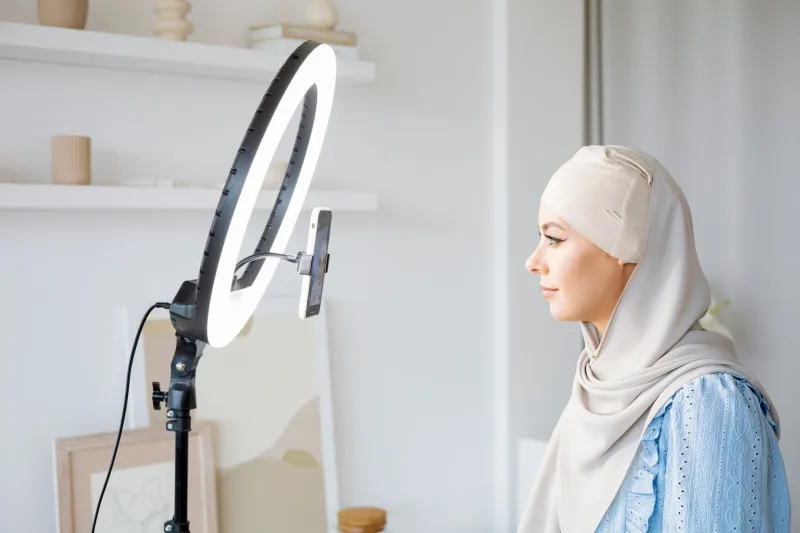
There's a certain kind of creator paralysis that hits people right before they start. You know the type — maybe you've felt it yourself. You've got something to say, a skill to share, or a story worth telling, but you're waiting. Waiting for the right camera. The right mic. The right editing software. The right moment to feel professional enough to hit record.
Here's the thing: while you're waiting, someone filming themselves in a car with a cracked windshield is picking up 40,000 subscribers.
In 2024, the algorithm doesn't care about your production budget. And neither, it turns out, does your future audience.
The Vibe Economy Is Very Much Real
Spend any real time on YouTube, TikTok, or Instagram Reels and a pattern starts to emerge. The videos that stop your thumb mid-scroll usually aren't the ones with cinematic drone shots or perfectly timed transitions. They're the ones where someone looks directly into the camera and says something that feels true — unscripted, a little messy, totally human.
This isn't a fluke. Platforms are actively rewarding it. The way recommendation engines work today, watch time and engagement signals carry far more weight than visual quality. A slightly shaky video that holds someone's attention for four minutes will beat a studio-quality clip that gets clicked off after thirty seconds every single time.
Authenticity, it turns out, is incredibly sticky. And you can't fake it with a better lens.
Case Study: The Bedroom Experts Taking Over
Look at what's happened in the personal finance space over the last couple of years. Channels built on nothing but a creator sitting at their kitchen table, talking plainly about budgeting, debt payoff, or navigating student loans, have racked up millions of subscribers. No fancy graphics. No professional studio. Just someone who clearly knows their stuff and isn't pretending to be anything other than a regular person who figured something out.
The same pattern shows up in cooking, fitness, mental health, automotive repair — basically any niche you can name. The breakout creators aren't always the most technically polished. They're the most watchable. There's a difference.
One good example of this dynamic is what happened in the DIY home improvement space during and after the pandemic. Creators with zero media training started walking viewers through real renovation projects — complete with mistakes, budget overruns, and the kind of honest frustration that HGTV would cut out of the final edit. Audiences went absolutely wild for it. Because it reflected their reality, not a fantasy version of home ownership.
What the Algorithm Is Actually Looking For
Here's a useful way to think about it. Platforms like YouTube and TikTok are, at their core, in the business of keeping people on the platform as long as possible. The recommendation algorithm's entire job is to figure out which video a person is most likely to watch all the way through — and then serve them more like it.
Production quality can help with that, sure. But it's not the primary driver. What actually keeps people watching is a combination of things that no equipment can manufacture:
- A clear, compelling point of view. Creators who know what they think — and aren't afraid to say it — create a sense of forward momentum that keeps viewers engaged.
- Conversational energy. The best on-camera personalities talk to you, not at you. That's a skill, not a gear choice.
- Consistency of character. Audiences come back for people they feel like they know. That parasocial relationship builds over time through repeated exposure to someone who shows up the same way every video.
None of those things require a gimbal or a color-grading plugin.
The Trust Gap Between Polished and Real
There's also something worth naming about how viewers have evolved. After years of being marketed to through increasingly sophisticated content, American audiences have gotten really good at detecting when something feels produced for them rather than made for them. The distinction sounds subtle, but viewers feel it immediately.
Over-produced content can actually work against you. When everything is too clean, too scripted, too perfectly lit, it starts to feel like an ad — even when it isn't. That creates distance. And distance is the enemy of the kind of loyal, engaged audience that actually supports a creator long-term.
Raw content, by contrast, creates proximity. It signals: this is real, this person is real, you can trust what they're saying. In a media landscape drowning in sponsored content and AI-generated slop, that trust is genuinely rare. It's also genuinely valuable.
What This Means If You're Just Starting Out
The practical implications here are pretty exciting if you're someone who's been putting off starting a channel because you don't have the budget. The barrier to entry has never been lower — and more importantly, having a low budget is no longer a disadvantage you need to overcome. In some ways, it's actually an asset.
Starting scrappy means you're forced to rely on what actually matters: your perspective, your energy, your ability to connect with people through a screen. Those are the muscles that build an audience. The production stuff can come later, once you've figured out your voice and your viewers have already decided they like you.
A few things worth focusing on early:
Sound matters more than picture. Viewers will forgive mediocre video quality way faster than they'll forgive audio that's hard to follow. A $20 clip-on mic is a better investment than a new camera.
Consistency beats perfection. Posting regularly — even imperfectly — builds momentum that a single well-produced video rarely can.
Talk like a person. This sounds obvious, but it's the thing most new creators struggle with. Lose the script, or at least loosen it. Let yourself stumble a little. It reads as human.
The Bigger Shift Happening Right Now
What's playing out in the creator economy right now is genuinely interesting to watch. The old model — where success required either institutional backing or serious personal investment in equipment and production — is breaking down. In its place, something more democratic is emerging.
The gatekeepers used to be the studios, the networks, the production companies. Now the gatekeeper is the algorithm, and the algorithm is largely indifferent to your budget. It wants to know one thing: will people watch this? Will they watch it all the way through, share it, come back for more?
The creators answering yes to those questions in 2024 are doing it with charisma, honesty, and a willingness to just show up — not with expensive gear.
Your phone camera is already enough. The question is whether you are. And honestly? That's the more interesting question anyway.